
RubiqCloud white

Data Governance & Retention

Get control of customer data – with automated governance and retention across systems

Book a meeting

All your customer data – better control, less risk

Customer data rarely lives in just one place. It is spread across CRM, marketing automation, customer service, and other systems. This makes it difficult to ensure that the same rules for storage, retention, and deletion are enforced consistently and correctly everywhere.

With RubiqCloud, you get one central control point for your data governance. Here, you can define common rules for how customer data should be handled – and automate the actions that need to take place when data changes status or when a retention period expires.

This gives you better control across systems and customer profiles, reduces the need for manual processes, and lowers the risk of data being stored or handled incorrectly.

The result is simpler data governance, more efficient processes, and a stronger foundation for compliance.
One governance engine across your systems

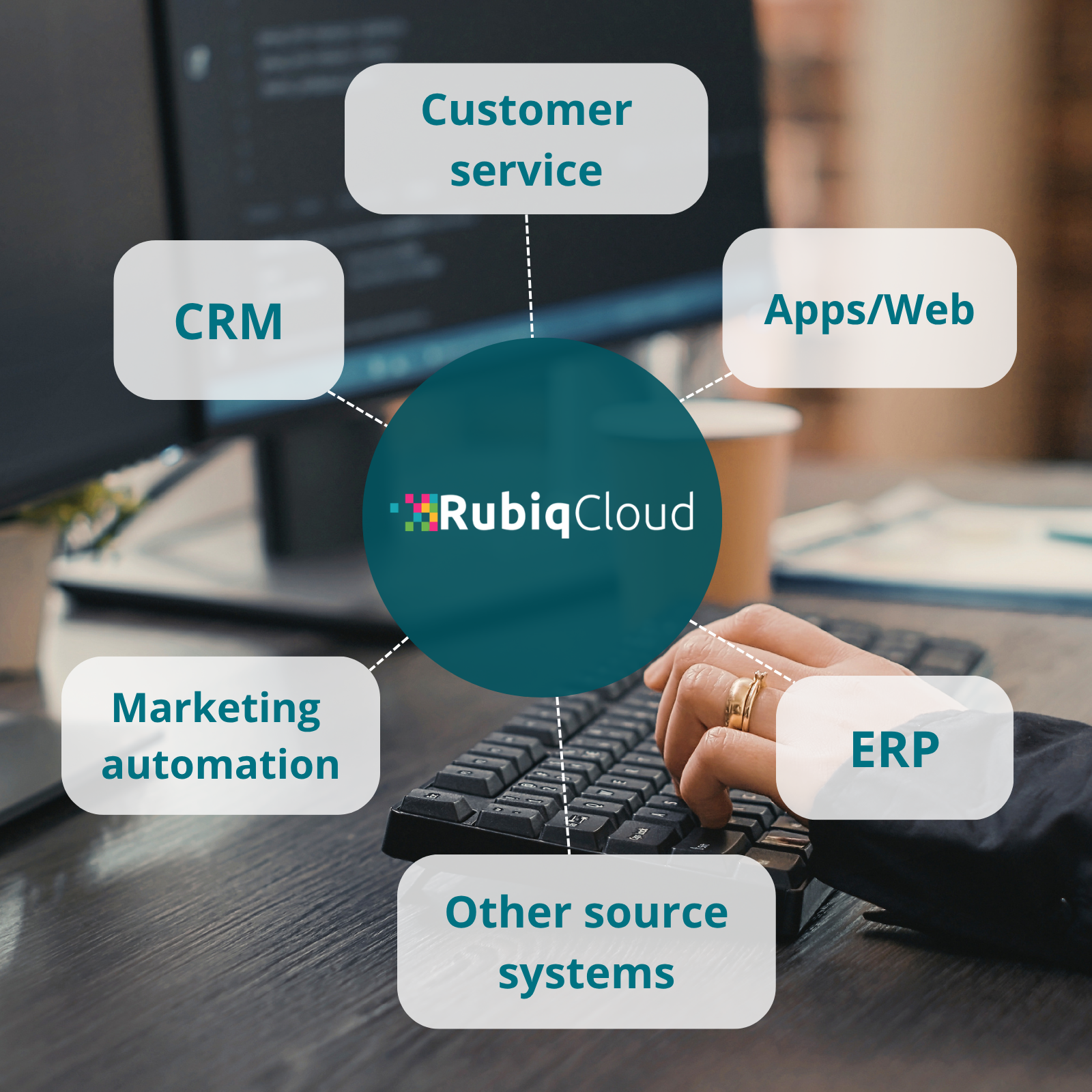
Your customer data already lives in the systems that run your business. With RubiqCloud, you can control how that data is handled without changing your existing setup. Common rules and guidelines make it possible to automate governance and retention where the data already resides.

How it works in practice:

  • Define common rules for how and how long customer data should be retained
  • Automate actions based on profile, consent, status, and time
  • Orchestrate rules and actions across CRM, marketing automation, ERP, customer service, and other systems

RubiqCloud does not replace your existing systems. The platform works alongside them, enabling you to manage and automate governance without consolidating all customer data into yet another system.

Automate the entire data lifecycle

Customer data should have a clear purpose from the outset – and should not be retained longer than necessary. With RubiqCloud, retention can become an ongoing, automated process where the appropriate actions are triggered when specific criteria or deadlines are reached.

From data to action – automatically

01


Data is collected

02


Profile is identified

03


Rules are applied

04


Retention is monitored

05


Action is triggered

06


Documentation is stored

When a retention period expires, or when data no longer meets the defined criteria, the relevant action can be triggered automatically. This could, for example, involve deletion or other required handling.

At the same time, the actions taken are documented, giving you a clear overview of how customer data has been handled. This saves you both time and worry.

Governance that follows the customer – not the system

Good data governance is not just about where data is stored, but about the individual customer behind it. With RubiqCloud, governance can be linked to the complete customer profile, making relevant information such as consent, preferences, and status an active part of how customer data is handled.

Customer at the center


Base governance on the complete customer profile, so rules and actions remain closely aligned with each customer’s current circumstances.

Consent and preferences


Use consent, preferences, status, and other relevant profile information as part of the rules that determine how customer data should be handled.

Consistent handling


When a customer’s profile or consent changes, the relevant actions can be carried out consistently, ensuring that data continues to be handled correctly.